Rural Homesite & Building Pad Preparation
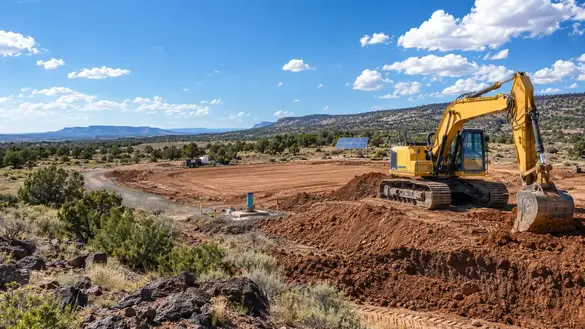
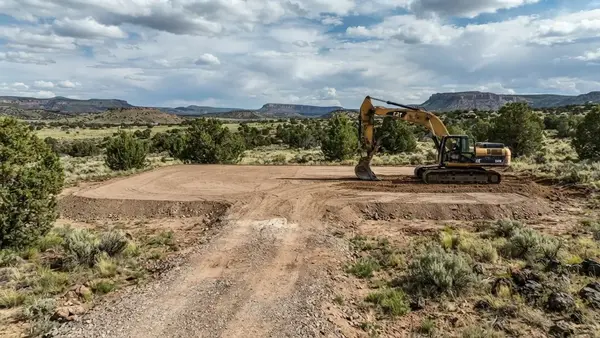
Prepared a practical building area by evaluating existing elevations, terrain, drainage, access, and earthwork requirements before shaping the finished house pad for future residential construction.
⭐ Helping Apache County Landowners Prepare Raw Land For Building, Homesteading & Off-Grid Living
Professional excavation, land clearing, grading, gravel delivery, driveway construction, building pad preparation, septic systems, water wells, and off-grid solar solutions for rural properties throughout Apache County, Arizona.
Serving St. Johns, Springerville, Eagar, Concho, Vernon, Sanders, Alpine, Nutrioso, Greer, Show Low, and surrounding Apache County rural communities.
Buying undeveloped land is the first step. Preparing that property for a home, cabin, ranch, or off-grid lifestyle requires careful planning, proper access, and experienced land development.
Apache County Land Services helps property owners transform raw acreage into usable land with excavation, grading, access roads, drainage improvements, house pads, and infrastructure preparation.
Whether you purchased an off-grid parcel, ranch property, investment land, or a future homesite, we provide solutions designed around Arizona's unique terrain and rural conditions.
Developing rural property in Apache County requires more than simply clearing land and moving dirt. Every parcel has its own challenges including soil conditions, elevation changes, drainage patterns, access limitations, and weather exposure. Proper planning before excavation begins helps create a safer, more functional property that is ready for homes, cabins, ranch improvements, and off-grid living.
Apache County contains some of the most diverse terrain in Arizona, ranging from high desert grasslands and volcanic landscapes to forested mountain communities. A property near St. Johns, Concho, or Sanders may require completely different site preparation than acreage near Alpine, Greer, or Springerville where elevation, snow, and colder temperatures become important factors.
Understanding the land before construction begins helps determine the right approach for excavation, grading, access roads, drainage improvements, building pads, septic preparation, and utility installation. The goal is not just to prepare land today, but to create improvements that continue performing for years.
Parts of Apache County contain volcanic soils, basalt rock, cinders, and dense native materials. These conditions can affect excavation methods, equipment requirements, trenching, and site preparation timelines. Identifying difficult ground conditions early helps prevent unexpected delays and allows projects to be planned correctly from the beginning.
Apache County properties may include sandy soils, clay areas, caliche, gravel deposits, and variable native materials. Each soil type reacts differently to moisture, compaction, and construction loads. Proper grading and preparation help create stable surfaces for driveways, foundations, utilities, and other improvements.
Arizona's summer monsoon season can create sudden heavy rainfall and concentrated runoff. Areas that appear dry for most of the year may experience significant water flow during storms. Proper drainage planning, grading, culverts, and erosion control help protect roads, buildings, and long-term property improvements.
Higher elevation communities throughout Apache County experience colder temperatures, snowfall, and freeze-thaw cycles. These conditions influence driveway construction, drainage, road bases, excavation timing, and how improvements should be designed for durability.
Many property owners purchase rural acreage with a vision for a home, cabin, ranch, or off-grid lifestyle. However, the condition of the land often determines what improvements are needed before construction can begin. Access roads, drainage, building pads, utilities, wells, and septic systems all depend on understanding the property as a complete system.
A properly planned site considers where water naturally moves, where structures should be placed, how equipment will access the property, and what improvements will be needed in the future. Addressing these details early can reduce expensive corrections and create a smoother construction process.
Whether you are developing a remote off-grid parcel, improving ranch property, preparing a homesite, or investing in undeveloped land, understanding Apache County's unique conditions is the first step toward a successful project.
Rural Apache County properties can combine uneven terrain, volcanic rock, natural drainage, changing elevations, and limited access, making site evaluation important before major land development begins.
We work with homeowners, land investors, developers, and off-grid property owners throughout Apache County.
From raw acreage and remote off-grid parcels to homesites, ranch properties, and future building sites, land development requires solutions that account for terrain, access, drainage, soil, rock, and the property's long-term use.
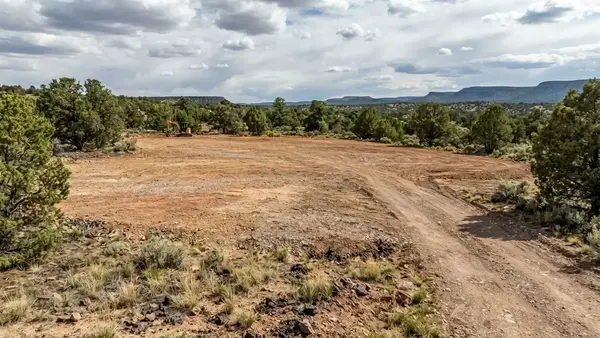
Prepared a practical building area by evaluating existing elevations, terrain, drainage, access, and earthwork requirements before shaping the finished house pad for future residential construction.
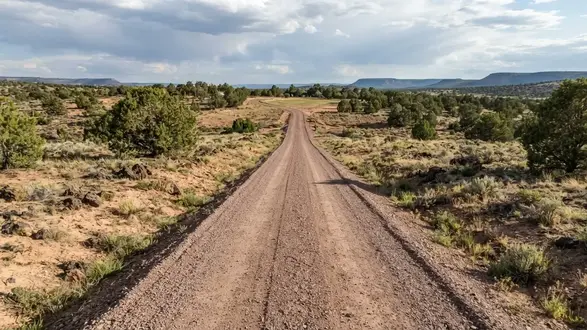
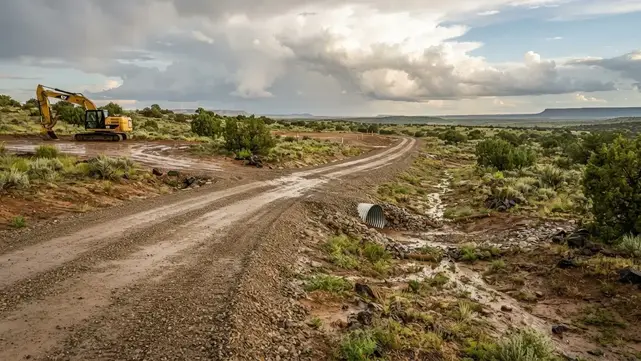
Developed a practical access route for a rural property, considering terrain, drainage, subgrade conditions, equipment access, and the future location of homesites, utilities, and other improvements.
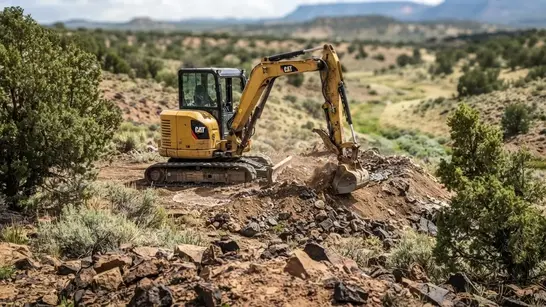
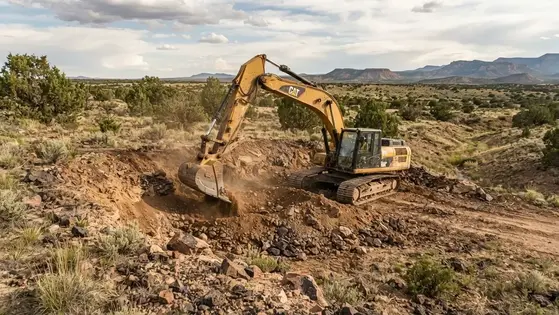
Cleared and prepared a rural development area by removing vegetation and obstacles while preserving practical access and creating usable space for future excavation, grading, and construction.
Apache County Land Services works with property owners across rural Arizona who need reliable, practical land improvements built for real conditions found in St. Johns, Concho, Vernon, Sanders, Alpine, Greer, and surrounding communities. Our experience with local terrain, soil behavior, weather patterns, and access challenges helps each client develop land that is functional, stable, and ready for long term use.
We help homeowners and future residents prepare land for cabins, manufactured homes, site‑built homes, and accessory structures. This includes access roads, grading, drainage shaping, building pad preparation, and practical layout planning based on local soil and weather conditions.
Many rural parcels in Apache County rely on solar systems, water storage, hauled water, and independent utilities. We help off‑grid owners create usable land with access routes, utility corridors, solar placement planning, and site improvements designed for remote living.
Investors often purchase raw acreage that needs practical improvements before it can be marketed or developed. We create usable building areas, improve access, shape drainage, and complete land upgrades that increase property value and long term potential.
We support residential and small‑scale development projects with excavation, grading, pad preparation, road construction, and coordinated site improvements. Our familiarity with local soils and terrain helps builders avoid delays and prepare land correctly the first time.
Large acreage properties often need dependable roads, drainage solutions, land clearing, and access improvements. We help ranchers and agricultural owners create functional routes, manage water flow, and prepare land for livestock, equipment, and long term use.
Many recreational parcels require clearing, access improvements, and basic site preparation before they can be used for camping, hunting, or future development. We help owners make remote land more accessible, safe, and functional for year‑round enjoyment.
Whether you are building now or preparing land for future use, Apache County Land Services provides practical improvements based on real local experience. Our work helps rural Arizona property owners create land that is accessible, stable, and ready for whatever comes next.
The ground beneath your property plays a major role in excavation, road construction, building pad preparation, drainage, septic systems, and off-grid development. Apache County contains diverse terrain including volcanic rock, clay soils, sandy areas, steep slopes, and high-elevation landscapes that require careful planning before construction begins.
Many areas of Apache County contain volcanic materials including basalt rock, lava formations, and cinder deposits. These dense materials can affect excavation methods, trenching, driveway construction, and equipment requirements. Understanding subsurface conditions helps determine the best approach before major earthwork begins.
Caliche is a hardened soil layer commonly found throughout Arizona that can create challenges for excavation and drainage. When present, it may require specialized equipment and careful planning for foundations, utility trenches, septic preparation, and road construction.
Apache County properties often include natural slopes, hillsides, and elevation changes. Proper grading helps create usable building areas, improve vehicle access, control water movement, and reduce erosion problems caused by runoff.
Arizona properties can experience intense rainfall during monsoon storms. Understanding how water naturally flows across a parcel is essential for designing driveways, building pads, drainage channels, and erosion control improvements that protect the property over time.
Rural Apache County roads and driveways require more than simply spreading gravel. Proper base preparation, grading, compaction, and drainage help create access routes that withstand daily traffic, weather changes, and seasonal runoff.
A properly prepared building pad provides a stable foundation area for homes, cabins, shops, and manufactured structures. Soil conditions, compaction, elevation, and drainage must all be considered to reduce future settling and water-related problems.
Understanding these soil and terrain factors early helps prevent costly mistakes, ensures safer construction, and allows property owners to build long‑lasting improvements that perform well in Apache County’s unique environment.
Rocky ground, variable soils, elevation changes, and natural drainage patterns can significantly affect excavation, grading, roads, building pads, and other Apache County land improvements.
Rocky ground, caliche, variable soils, elevation changes, and difficult equipment access can all affect excavation and site preparation. If your property needs clearing, grading, a building pad, driveway work, trenching, or other earthwork, tell us about the site and what you are planning to build.
Call Now (928) 543-6447Weather conditions in Apache County can significantly influence excavation, grading, road construction, drainage systems, and off-grid property development. From intense summer monsoon storms to freezing winter temperatures, successful land improvements require planning around the local climate and terrain.
Rural properties throughout Apache County experience a wide range of conditions depending on elevation, location, and terrain. A parcel near the White Mountains may face snow and freeze cycles, while lower elevation areas may experience intense heat, wind, and sudden storm runoff. Understanding these conditions before construction helps create improvements that last.
Land development is a long-term investment. A driveway, building pad, or drainage system should be designed to handle the conditions it will experience after construction is complete, not just how the property looks on a dry day.
By considering Apache County's unique weather patterns during the planning stage, property owners can avoid common problems such as washed-out roads, standing water, erosion damage, and costly repairs after severe weather events.
Rural land improvements should account for Apache County's intense summer runoff, seasonal moisture, erosion potential, and changing ground conditions rather than relying on how the property looks during dry weather.
Developing rural property involves much more than choosing a building location. Before construction begins, property owners must consider access, terrain, drainage, utilities, water, septic requirements, and site preparation. A detailed plan helps prevent costly surprises and creates a smoother path from raw land to usable property.
Many Apache County parcels are purchased with future goals in mind such as building a home, creating an off-grid homestead, improving ranch property, or developing recreational land. Taking time to evaluate the property before excavation begins helps identify challenges early and ensures each improvement works together.
Successful land development happens when each improvement is planned as part of the larger property system. Roads affect utilities. Drainage affects building locations. Soil conditions affect excavation. Future goals influence where and how improvements should be completed.
Whether you are preparing an off-grid homesite, ranch property, recreational acreage, or future residence, having a clear development plan before moving dirt can save time, reduce unexpected costs, and create a property that works for years to come.
Rural Arizona properties often come with unique challenges that must be addressed before they can become functional homesites, ranches, cabins, or off-grid properties. Apache County Land Services helps property owners overcome difficult terrain, access issues, drainage concerns, and site preparation challenges through proper planning and professional land improvements.
Many undeveloped parcels have rough trails, inadequate entrances, or no practical access for vehicles and construction equipment. We improve property entrances, build private roads, and create dependable access routes designed around terrain, weather exposure, and long-term use.
Proper access is essential for construction crews, emergency vehicles, utility installation, and future residents.
Heavy rainfall and monsoon runoff can expose drainage issues that are not obvious during dry conditions. Proper grading, drainage channels, erosion control, and site reshaping help direct water away from roads, structures, and important property areas.
Addressing drainage early prevents washouts, standing water, and long-term property damage.
Steep grades, uneven ground, rocky areas, and elevation changes can make development challenging. Strategic excavation and grading help create usable spaces while working with the natural characteristics of the land.
Proper slope management improves access, drainage, and long-term stability.
Brush, trees, debris, and natural obstacles can prevent property owners from using their land effectively. Land clearing opens areas for homesites, roads, recreational spaces, agricultural improvements, and future development.
Clearing also improves fire safety, visibility, and long-term land usability.
Raw land often requires preparation before a home, cabin, or manufactured structure can be placed. Building pad preparation creates properly graded, stable areas ready for future construction.
Proper elevation and compaction reduce settling, drainage issues, and structural problems.
Remote properties often require planning for solar systems, wells, septic systems, utilities, and equipment access. Coordinating these improvements early helps create a more functional and efficient off-grid development plan.
Proper infrastructure planning ensures long-term reliability and independence.
Many costly property issues develop because important site conditions are overlooked during early planning. A driveway placed without drainage consideration, a building pad located in a poor area, or utilities installed without future expansion in mind can create problems later.
Evaluating the property before excavation begins allows potential challenges to be identified early. Proper planning helps property owners make better decisions and develop land that supports their long-term goals.
Whether you are dealing with poor access, drainage problems, difficult terrain, overgrown acreage, an unsuitable building area, or off-grid infrastructure challenges, the right solution starts with understanding the property. Tell us what you are dealing with and what you want to accomplish with your land.
Call (928) 543-6447Turning raw Arizona land into functional, build‑ready property requires more than basic excavation. Apache County’s terrain, soil conditions, drainage patterns, and elevation changes demand a structured approach that ensures long‑term stability and usability. Below is the complete process we use to prepare rural land for homesites, ranch improvements, cabins, and off‑grid living.
Every project begins with a clear understanding of your goals. We discuss your property location, acreage, access, terrain, and intended use, whether you’re planning a homesite, ranch upgrades, utility installation, or full off‑grid development. This step ensures the project is aligned with your long‑term vision.
Apache County properties vary dramatically. We assess soil type, rock conditions, vegetation, drainage flow, elevation changes, and access limitations. Understanding these factors early helps determine equipment needs, project scope, and the safest, most efficient approach to land preparation.
Before any earthwork begins, we map out the property’s functional layout. This includes building pad locations, driveway routes, drainage pathways, utility corridors, septic placement, and future expansion areas. Proper planning prevents costly rework and ensures all improvements work together as a complete system.
Excavation, grading, clearing, trenching, and road construction are completed according to the site plan. We shape the land to improve access, manage water flow, create usable building areas, and prepare the property for utilities and future structures. Each step is performed with long‑term durability in mind.
Roads, pads, and developed areas are built using proper grading, compaction, and material selection. These improvements are engineered to withstand Arizona weather, seasonal moisture changes, and daily use. A strong foundation ensures your property remains stable and functional for years to come.
Good land development looks ahead. We plan for future homes, cabins, solar systems, wells, septic systems, and additional improvements so today’s work supports tomorrow’s goals. This forward‑thinking approach helps property owners avoid unnecessary costs and ensures the land remains adaptable as needs evolve.
Unlike residential neighborhoods with existing infrastructure, undeveloped Apache County land requires building the foundation for future living from the ground up. Access, water, power, drainage, and building areas must all be designed to work together, especially in remote or off‑grid environments.
A structured development process helps property owners make informed decisions, avoid costly mistakes, and create land improvements that are functional, accessible, and ready for long‑term use.
Buying undeveloped land in Apache County can create incredible opportunities for homes, cabins, ranches, recreation, and off-grid living. However, raw land requires careful evaluation before development begins. Understanding access, terrain, water, utilities, and site conditions can help buyers make better decisions before investing in improvements.
Many rural parcels appear affordable because they do not have existing infrastructure. Roads, utilities, water systems, septic solutions, and building areas may need to be created from the ground up. Knowing what is involved before purchasing land can prevent unexpected challenges and help establish realistic development expectations.
The best properties are not always the ones that require the least work. Many buyers choose rural land because of privacy, views, acreage, and the opportunity to create something unique. The key is understanding what improvements are needed and planning them correctly.
Evaluating the property before construction begins allows owners to create a realistic development plan. Whether the goal is a custom home, off-grid retreat, ranch property, or recreational acreage, thoughtful preparation creates a stronger foundation for future success.
Developing rural property in Apache County requires a clear understanding of how local conditions influence site preparation, inspections, construction planning, and long term development. The county covers a wide range of terrain and elevation, and each area has unique challenges related to access, water, septic, utilities, and land preparation. Planning these details early helps prevent delays, unexpected costs, and avoidable mistakes.
Apache County parcels are not uniform. Properties near Alpine or Greer may require winter access planning, freeze-cycle considerations, and careful site preparation due to higher elevations and colder seasonal conditions. Some parcels near areas such as Sanders or St. Johns may encounter dense soils, volcanic materials, or hard layers that can affect excavation, trenching, and site preparation. Properties around Concho and Vernon may have soil conditions that require proper compaction, grading, and drainage planning before development begins. Understanding these differences is essential before breaking ground.
Building requirements vary across the county. Higher elevation areas require attention to freeze cycles, drainage, and seasonal conditions, while lower elevation areas may require careful grading and runoff management. Proper planning ensures building locations support access, utilities, drainage, and long term stability. This step is especially important for manufactured homes, cabins, and structures placed on rural parcels with uneven terrain.
Septic systems depend heavily on soil conditions and property layout. Apache County properties can contain a variety of soils including sandy areas, clay soils, volcanic materials, and dense ground formations. Some properties may support conventional septic systems, while others may require alternative designs based on site evaluation. Proper septic planning considers drainage, future buildings, accessibility, and long term property use.
Water availability changes significantly throughout Apache County. Some properties may have access to groundwater through wells, while others may require alternative solutions such as hauled water or storage systems. Well depth, drilling conditions, and water availability can vary widely depending on the specific parcel and local geology. Planning well access, tank placement, and water line routes early helps create a more efficient property layout.
Many parcels have legal access but no developed road. Some properties may only have rough two-track trails that become difficult to navigate during monsoon storms, winter weather, or periods of heavy use. Proper access planning includes evaluating soil conditions, slope, drainage flow, and the type of traffic the road must support. A dependable road is often one of the first improvements needed before construction can begin.
Many rural parcels rely on solar systems, battery storage, generators, propane, and private utility solutions. Trenching for power lines, water lines, and communication systems must be planned around rock conditions, drainage paths, access roads, and future building locations. Coordinating utility corridors early prevents situations where completed improvements limit future options.
Excavation in Apache County should be completed with the entire property plan in mind. Dense soils, volcanic materials, slopes, drainage patterns, and seasonal weather conditions can all influence how building pads, roads, and drainage systems should be prepared. A coordinated approach ensures each improvement supports the next instead of creating conflicts that require expensive rework.
Rural land development is a long term investment. A driveway placed in the wrong location can interfere with future utility routes. A septic system installed without considering future buildings can limit expansion. A building pad placed without proper drainage planning can create problems that only appear during major storms. Understanding the property before construction begins helps avoid these issues.
Apache County Land Services helps property owners evaluate development needs across St. Johns, Concho, Vernon, Sanders, Alpine, Greer, and surrounding communities. Understanding local terrain, soil behavior, weather patterns, access challenges, and development requirements helps create a practical plan for preparing land correctly the first time.
Permit requirements can vary depending on the property location, project type, zoning, utilities, environmental factors, and applicable regulations. Property owners should confirm current requirements with Apache County and applicable agencies before beginning construction.
From excavation and site preparation to complete rural property improvements, Apache County Land Services connects property owners with professional solutions for building homes, improving acreage, and developing off-grid land.
Professional excavation for foundations, utilities, driveways, drainage, and rural property improvements throughout Apache County.
Learn More →Clear brush, trees, debris, and obstacles to prepare Arizona acreage for homesites, ranches, roads, and future development.
Learn More →Improve drainage, create usable building areas, and prepare uneven terrain with professional grading and leveling.
Learn More →Build and improve rural driveways, private roads, and property access routes designed for Arizona conditions.
Learn More →Prepare stable building pads for homes, cabins, manufactured homes, shops, and rural construction projects.
Learn More →Prepare trenches for water lines, electrical systems, communication, and other essential rural property utilities.
Learn More →Connect with septic professionals for rural wastewater solutions, system installation, and property development needs.
Learn More →Explore water solutions for rural properties including well drilling, water access, and off-grid infrastructure planning.
Learn More →Prepare rural properties for solar energy, independent living, and off-grid power solutions.
Learn More →Transform remote acreage into usable property with access improvements, grading, clearing, and infrastructure preparation.
Learn More →Deliver gravel, fill materials, and road base for driveways, roads, drainage improvements, and construction preparation.
Learn More →Developing rural property in Apache County requires more than moving dirt. Successful land improvements require knowledge of local terrain, soil conditions, drainage patterns, access challenges, and the unique needs of Arizona acreage.
Developing rural Arizona property requires the right equipment, experience, and understanding of local land conditions. Apache County Land Services helps property owners plan and complete improvements needed to transform raw acreage into functional, usable property.
Apache County Land Services works with experienced professionals and specialized resources to help property owners complete rural land projects safely, efficiently, and with proper planning.
The cost of preparing rural Arizona property depends on acreage, terrain, soil conditions, rock layers, accessibility, drainage needs, materials, and the overall scope of work. Apache County has a wide range of landscapes, from volcanic rock near St. Johns to sandy soils in Concho and steep terrain near Alpine. These estimated price ranges help property owners plan realistic budgets based on common local conditions.
Estimated Cost: $3,500 – $20,000+
Excavation costs depend on soil type, rock depth, grading needs, equipment access, and the amount of preparation required. Basalt rock, caliche layers, and uneven terrain can increase project time and equipment requirements.
Estimated Cost: $2,000 – $15,000+
Clearing costs vary based on brush density, tree size, debris removal, terrain, and acreage. Areas with heavy juniper or thick brush require more equipment time and disposal planning.
Estimated Cost: $1,500 – $10,000+
Grading creates usable areas for homesites, roads, and drainage improvements. Costs depend on slope, soil behavior, elevation changes, and the amount of reshaping needed to manage water flow.
Estimated Cost: $3,000 – $25,000+
Road costs depend on length, materials, drainage shaping, slope, and access conditions. Remote parcels often require additional base material and shaping to withstand monsoon runoff and seasonal weather.
Estimated Cost: $2,500 – $12,000+
Pad preparation depends on elevation, compaction needs, soil stability, drainage planning, and the size of the structure. Some parcels require imported fill or rock removal to create a stable building area.
Estimated Cost: $1,500 – $10,000+
Trenching for water lines, electrical routes, and communication cables varies based on distance, depth, terrain, and ground conditions. Hard rock or deep utility runs increase equipment time and material needs.
Estimated Cost: $7,000 – $25,000+
Septic costs depend on soil type, perc test results, system design, tank size, and property layout. Engineered systems are more common in areas with clay, caliche, or shallow rock layers.
Estimated Cost: $10,000 – $40,000+
Well costs vary based on drilling depth, geology, water availability, pump requirements, and site access. Some areas reach water at moderate depths, while others require significantly deeper drilling.
Estimated Cost: $8,000 – $30,000+
Solar system costs depend on energy needs, battery storage, equipment selection, and property layout. Off grid systems often require trenching, mounting, and battery housing preparation.
Estimated Cost: $5,000 – $50,000+
Remote land preparation may include roads, pads, clearing, drainage shaping, utility corridors, and other improvements needed for independent living. Costs vary based on terrain and accessibility.
Estimated Cost: $200 – $500+ per load
Pricing depends on material type, quantity, hauling distance, delivery location, and project needs. Remote parcels often require additional travel time and fuel.
Estimated Cost: $1,500 – $10,000+
Drainage improvements depend on runoff patterns, grading needs, culverts, erosion issues, and the size of the affected area. Monsoon storms often require shaping that directs water safely across the property.
Apache County properties often have unique challenges including volcanic terrain, rock layers, elevation changes, remote access, monsoon runoff, and varying soil conditions. A property evaluation helps determine the right approach and provides a more accurate estimate.
Our goal is to provide clear recommendations and realistic expectations before work begins. We evaluate your land, understand your goals, and help determine the improvements needed to make your property functional, accessible, and ready for future development.

Apache County is one of Arizona's most popular areas for rural living, homesteads, cabins, ranch properties, and remote land ownership. Turning undeveloped acreage into functional property requires careful planning for access, water, power, septic, and site preparation.
Apache County Land Services helps property owners prepare land for off-grid living by improving access, creating usable building areas, installing supporting infrastructure, and preparing properties for future development.
Off-grid development is about more than placing a structure on a piece of land. Access roads, drainage, building pads, water systems, septic locations, and utility routes all need to work together. Proper planning early in the process helps create a property that is easier to use, maintain, and expand in the future.
Whether you are creating a remote homestead, cabin retreat, ranch property, or future residence, Apache County Land Services helps prepare the foundation for successful rural development.
Whether you are looking to buy rural land in Apache County or already own property and need help planning its development, tell us about your goals. We can help you explore available land opportunities or connect you with information and qualified professionals for excavation, land clearing, grading, access roads, and off-grid property development.
We proudly serve all of Apache County and surrounding rural communities in Arizona:
Whether you are preparing a rural homesite, improving an existing property, building an access road, installing utilities, planning a septic system and well, or developing an off-grid property from the ground up, the right approach starts with understanding the land. Apache County terrain, drainage, rock, soil, access, and future development plans can all affect the work required. Contact Apache County Land Services to discuss your property, your goals, and the land improvements you are considering.
Call Today (928) 543-6447